

 Too busy?
 Back
Back

 What customers say


.png?width=32&height=32&name=Microcassette%20(1).png)


.png?width=32&height=32&name=laser%20disc%20(1).png)

 Digital Services

.webp)
.png)

.png)

%20(70).png)
%20(67).png)
%20(71).png)
%20(1126%20x%20658%20px)%20(4).png)







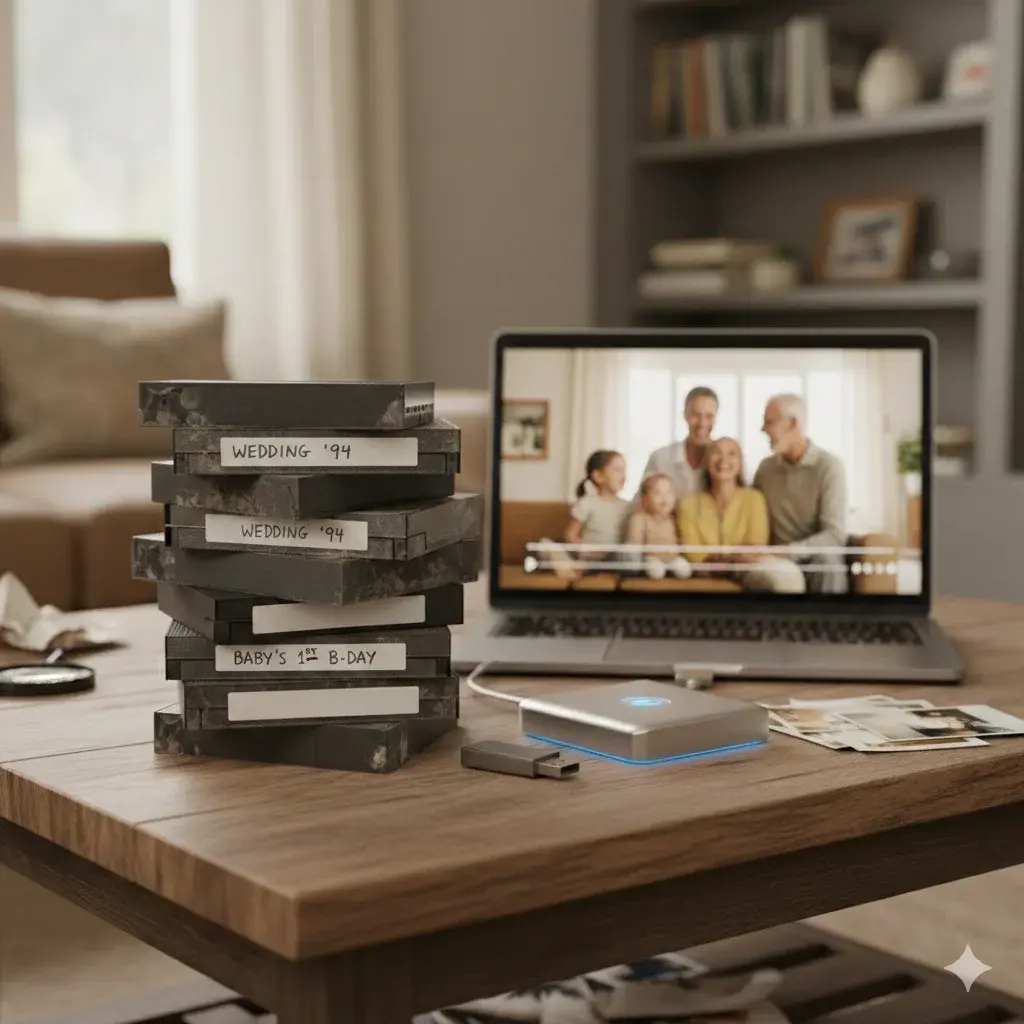
In lounge rooms across Australia, thousands of hours of priceless history are sitting in dusty shoeboxes. These aren't just tapes; they are the records of our lives—the grainy footage of a 1980s Christmas lunch, the mechanical whirr of a camcorder capturing a graduation, or the muffled audio of a grandparent’s voice on a cassette tape. As we celebrate life's major milestones, there is a growing urgency to rescue these memories before the technology to play them vanishes entirely.
The Fragile Nature of Australian Memories
For many Australian families, the 1980s and 90s were the golden age of the home video. We captured everything from backyard cricket matches to school holidays at the beach. However, the magnetic tape used in VHS, VHS-C, and Hi8 formats was never designed to last forever.
Magnetic media is susceptible to "tape rot," where the binder holding the magnetic particles begins to break down. In the harsh Australian climate, humidity can also lead to mould growth, which can physically fuse the layers of tape together. Furthermore, the equipment needed to play these formats—the bulky VCRs and hand-held camcorders—has largely been relegated to the scrap heap. If you cannot play the tape, the memory is effectively lost. This is why many are choosing to transfer VHS to digital to ensure those golden moments are protected.
Why Milestones Matter: From VHS to Forever
A milestone is more than just a date on a calendar; it is a thread in the fabric of a family’s story. When we digitise these records, we are doing more than just moving data from one place to another; we are "future-proofing" a legacy.
Consider the impact of viewing a wedding video from thirty years ago. In its original VHS format, it is a solitary experience, requiring a working VCR and a specific television. Once converted, that same video can be sent instantly to relatives in Perth, Sydney, or London. It becomes a living document. By preserving family memories, you allow younger generations to connect with their heritage in a format they actually use—their phones and tablets.
The Technical Process: How We Rescue Your History
At Tapes To Digital, the process of media preservation is handled with a level of professional care that DIY home kits simply cannot match. Converting legacy media requires a blend of vintage hardware and modern software.
- Physical Inspection: Every item, whether it is a Super 8 film reel or a Microcassette, is inspected for physical damage, mould, or brittle splices.
- Real-Time Capture: Unlike a file transfer on a computer, video tapes must be played back in real-time to be captured. This ensures that every frame is accounted for and that the tracking is adjusted for the best possible playback.
- Digitisation: For film formats like Standard 8 mm or Super 8, reels are scanned frame by frame. This prevents the flickering often seen in older "projector-to-wall" transfer methods.
- Encoding: The captured footage is then encoded into a high-quality digital format. MP4 is the standard delivery format; ask for the archival AVI/MOV master and we'll supply it alongside your MP4 at the same price.
Choosing the Right Format: USB, MP4, or Cloud?
One of the most common questions customers ask is how they should receive their files. The answer usually depends on how you plan to use and store them.
- USB Drives: These are excellent for physical backups and for plugging directly into modern Smart TVs. They are tangible and easy to gift.
- Google Drive: This is the ultimate "future-proof" option. By storing files in the cloud, you protect them against physical loss (like a house fire or a lost USB stick). It also makes sharing with interstate family members incredibly simple.
- DVDs: While some still prefer putting your tapes on DVD, it is important to remember that many modern laptops and cars no longer include DVD players.
We often recommend a combination of USB vs DVD vs MP4 to ensure you have both a physical copy and a versatile digital file.
Preserving More Than Just Video: Audio and Photos
While video tapes are our primary service, a family’s history is found in many forms. We also specialise in converting:
- Audio Formats: From vinyl records to reel-to-reel audio tapes.
- Physical Photos: Including 35 mm slides, negatives, and even old photo albums.
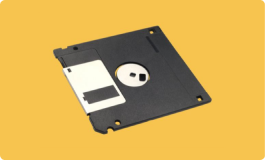
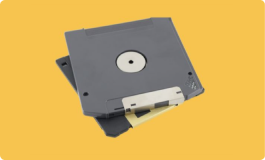
- Data Recovery: If you have old floppy disks or "unfinalised" mini DVDs, we can often perform logical data recovery to retrieve those files.
Whether you are looking for video to digital services in Melbourne or need to digitise a collection of family slides, a professional service ensures the highest quality result.
Why Choose Us?
Tapes To Digital is built on a foundation of honesty and transparency. We don't make false promises about "enhancing" a tape to 4K resolution if the original footage is badly degraded. Instead, we guarantee:
Careful Handling: Your irreplaceable memories are treated with the respect they deserve.
Professional Equipment: Every tape is converted using professional converters, not consumer capture sticks, to get the best possible signal from your media.
Security: Your content is kept private and confidential at all times.
About Us
Tapes To Digital is a dedicated media preservation business helping Australians rescue their aging memories. From drop-offs in local suburbs to customers nationwide who post their tapes in, our mission is to provide an accessible, professional, and secure way to modernise obsolete media. Whether you are in a major city or a regional town, we are here to help you move from VHS to DVD or digital formats seamlessly.
Frequently Asked Questions
1. Can you improve the quality of my old tapes? We aim to get the best possible playback from your original media. While we use professional equipment to ensure a stable signal, the final quality depends entirely on the condition of the original tape.
2. What happens if my tape is broken or has mould? We physically inspect every tape before conversion. Cleaning and repair start at $28 per tape on top of the conversion price, the assessment is free and quoted before any work starts, and if a tape can't be repaired there is no charge.
3. How long does the conversion process take? Most orders are ready in 7 to 10 business days from the day we receive your tapes. Very large collections take longer, and small urgent orders can often be done sooner.
4. Do you handle international formats like NTSC? Yes. Tapes recorded in the US (NTSC) or France (SECAM) are $11 extra per tape on top of the standard price.
5. Is my content kept private? Absolutely. Your content is used only for the purpose of conversion and delivery. It is never shared or copied unnecessarily.